
Pink no longer hides in nurseries or makeup rooms. It now appears in living rooms, kitchens, and even office spaces. The shift from soft blush to bold fuchsia has become a real trend. People across the U.S. add pink accents to chairs, cabinets, pillows, and walls. But is this color choice smart, or is it just a passing wave?
Homeowners want beauty, comfort, and function. Every design change should support those goals. This article explores how the pink trend fits into modern homes. We will talk about style, safety, mood, home value, and more. You will learn how to use pink wisely.
This trend is also part of a bigger idea. It connects to what people now call “dopamine décor.” The goal is joy. Pink sparks joy. It brings warmth, energy, and a little fun. But you still need to know how to use it right.
What Is the Trend Involving Pink Accessories and Decor?
Pink accessories include rugs, art, lamps, throws, and vases. Pink decor goes deeper. It can mean painting a wall rose gold or buying a pink velvet chair. The style leans toward playful, bold, and cozy. Some call this look Barbiecore. Others link it to the rise of bold design during stay-at-home years. Either way, pink now shines in all types of spaces.
Social media helped push this trend. On platforms like Pinterest and Instagram, photos of pink kitchens and soft rose bedrooms get attention. The trend caught fire because people needed a boost. Pink became that emotional lift.
The color mixes well with gold, black, grey, or white. It works in glam looks, minimal spaces, or even boho rooms. Many pick pink to soften hard edges or add depth to plain decor. It adds visual warmth without being too dark or heavy.
What Is Dopamine Decor and How Does Pink Fit In?
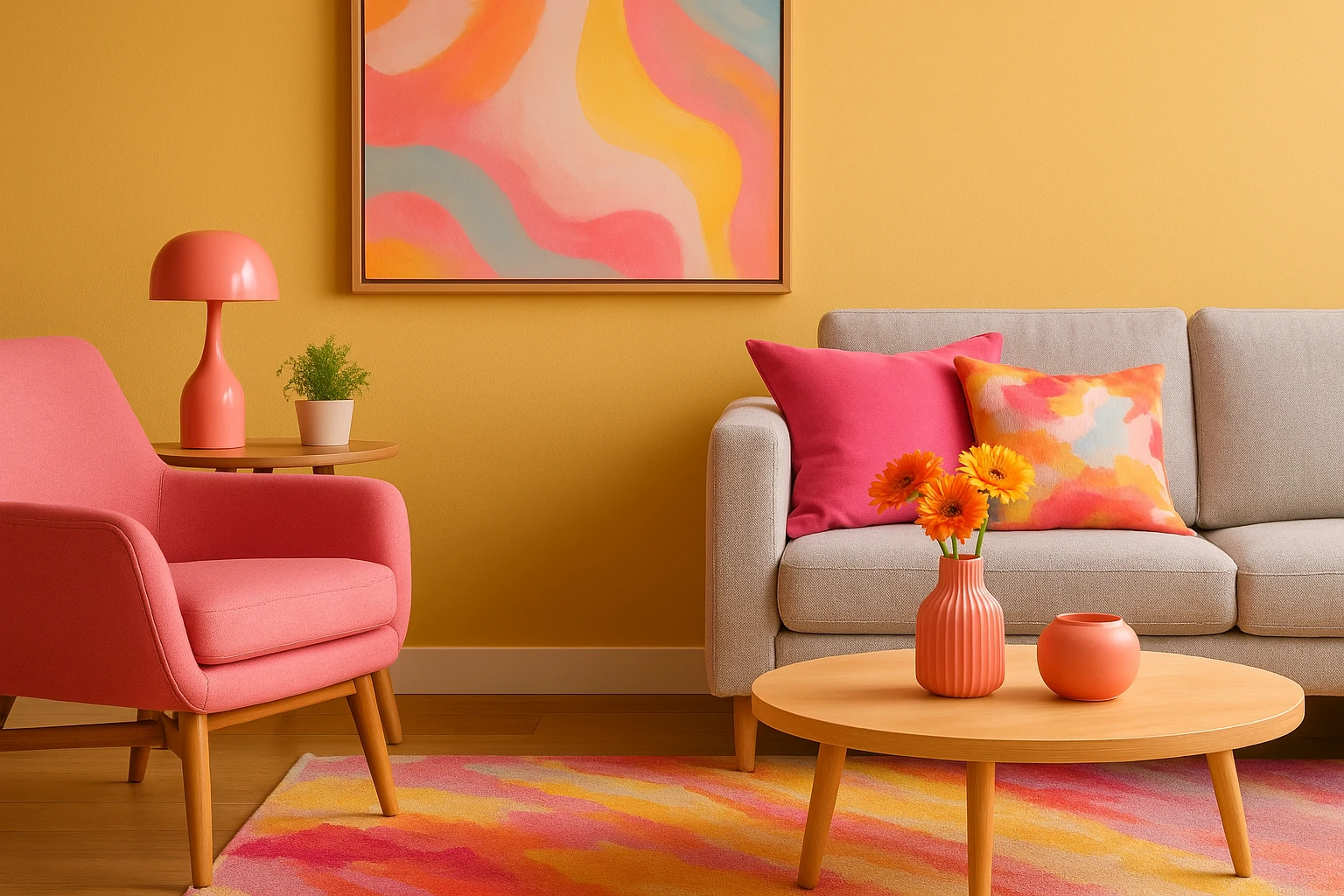
Dopamine decor is about choosing design that sparks joy. This trend focuses on feel-good colors, bold items, and personal touches. It pushes away dull rooms. Instead, it builds spaces that feel fun, bright, and full of energy.
Pink plays a big role in this style. It grabs attention. It also brings a soft emotional lift. Designers pick pink because it stands between calm and bold. It offers balance in homes that need warmth or light. In dopamine decor, pink shows that color can shape how people feel every day.
You do not need to go over the top. A pink lamp or a rose chair adds a boost. It gives you color therapy without needing a full makeover. That’s why pink holds its spot in this growing design wave.
Is It Safe to Follow the Pink Trend in Your Home?
Pink pairs well with many colors, but the match depends on the tone. Soft shades like blush or dusty pink work with white, beige, sage green, or light grey. These combinations create a calm look that feels fresh. They fit best in places where peace matters, like bedrooms or quiet sitting rooms.
Hot pink adds spark. It stands out next to bold colors like black, navy, teal, or gold. These stronger matches bring life to rooms that need energy. Offices, creative spaces, or modern lounges handle bright pink better than quiet corners. Rose and mauve tones blend smoothly with cream, walnut, or brass. These feel warm and help shape cozy spaces like dining areas or reading spots.
You can also layer different pink shades to avoid a flat look. Go from soft to rich tones to build depth. Use texture to break solid blocks of color. A pink wall with wood floors adds warmth. Blush curtains next to a dark sofa offer contrast without clashing. The room feels balanced, not plain or loud.
Is Pink Just a Trend or a Long-Term Style?
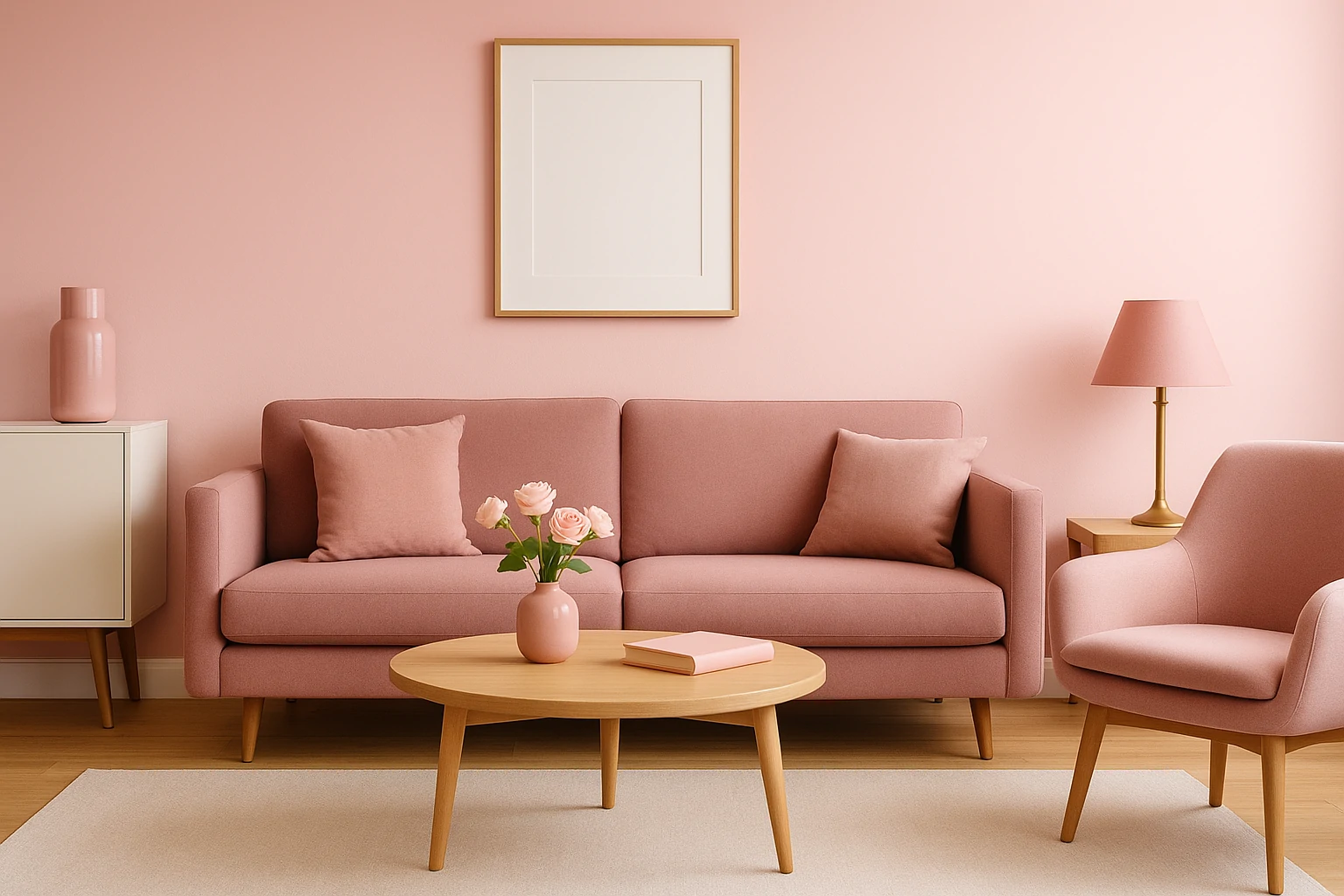
Many ask if pink decor will last or fade fast. The truth is, pink keeps coming back in design. It may shift tones-from millennial pink to blush to fuchsia-but it never truly leaves.
Soft pinks like rose or dusty blush feel timeless. These shades work in both modern and classic homes. Even when bold styles fade, gentle pinks still feel fresh. That gives pink power beyond trend status.
If you worry about trends fading, choose pink that can change. Use paint on one wall, not four. Try small accents like vases or lamp shades. When the look shifts, you can swap without stress.
What Colors Go Well With Pink?
Pink works with many colors. The right match depends on the shade. Blush or dusty pink pairs well with white, beige, soft grey, or sage green. These tones create a calm and clean look. They suit bedrooms, living rooms, or any space meant for rest.
Hot pink brings energy. It stands out next to navy, black, teal, or gold. These strong contrasts work well in bold rooms. Offices, game rooms, or art spaces can carry bright pink better than quiet areas. Rose or mauve blends nicely with cream, walnut, or brass. These mix well in cozy rooms like dens or dining areas.
You can also use layers of pink. Go from pale to deep to give the room shape and depth. Don’t use just one flat color. Mix textures too. Try pink walls with wood floors. Use blush curtains with dark grey sofas. The room will feel full but not heavy. It keeps the space from looking plain.
How to Mix Pink With Patterns and Textures?
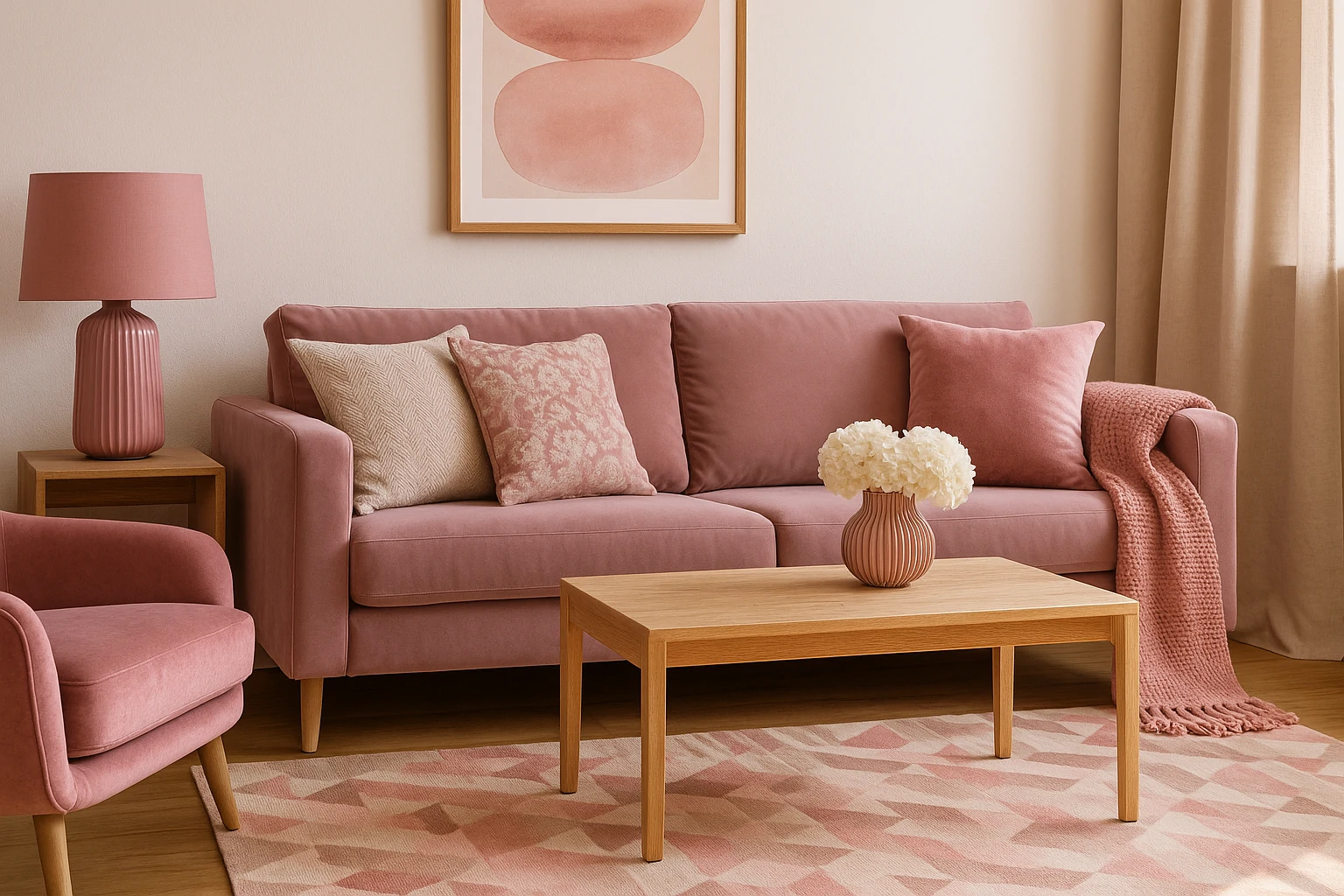
Pink looks even better when paired with the right surfaces. A room full of flat pink tones can feel dull. Add interest through texture. Think velvet, linen, marble, or natural wood.
Patterns help too. Try a pink rug with a soft print. Use pink pillows with stripes or floral details. These extras keep the space from feeling plain.
You can mix shiny and matte finishes. A pink glass lamp next to a soft cotton throw works well. The key is contrast. Let each pink piece stand out through surface, not just shade.
Where Should You Use Pink Accessories and Decor?
Each room gives you a chance to use pink in a fresh way. The key is to match the tone with the room’s purpose. A calm space calls for soft pinks. An active area can handle bolder shades. Pink works best in small touches, but some rooms can take more.
Living Room
Add pink pillows, throws, or framed art to your seating area. Place a pink lamp or soft rug in a dull corner to brighten it. Pair pink with gold, glass, or wood to keep it stylish. A rose velvet accent chair also adds charm without feeling too bold.
Bedroom
Use soft pink bedding, headboards, or bedside tables to create a cozy feel. Try blush curtains, rose lampshades, or soft wall art. These tones help make the room feel restful. Pink works well here because it calms the mind.
Kitchen
Paint lower cabinets in a warm pink shade for a fun yet grounded style. Try pink bar stools, rose mugs, or even pink cookware. Rose gold handles or faucets can add a modern twist without going too far.
Bathroom
Use pink towels, floor mats, or tile borders. A pale pink vanity or storage basket adds color without taking over. Even small items like soap dispensers, trays, or candles bring life into this small space.
Office
Pick a pink desk chair, a framed pink quote, or a rose pen holder. A single blush lamp can add warmth. These details bring charm without pulling focus. They keep the space both stylish and productive.
For more design styles that have stood the test of time, explore our guide on Pueblo Style Homes: A Simple Guide to This Timeless Southwest Design.
Does Pink Decor Affect Mood?
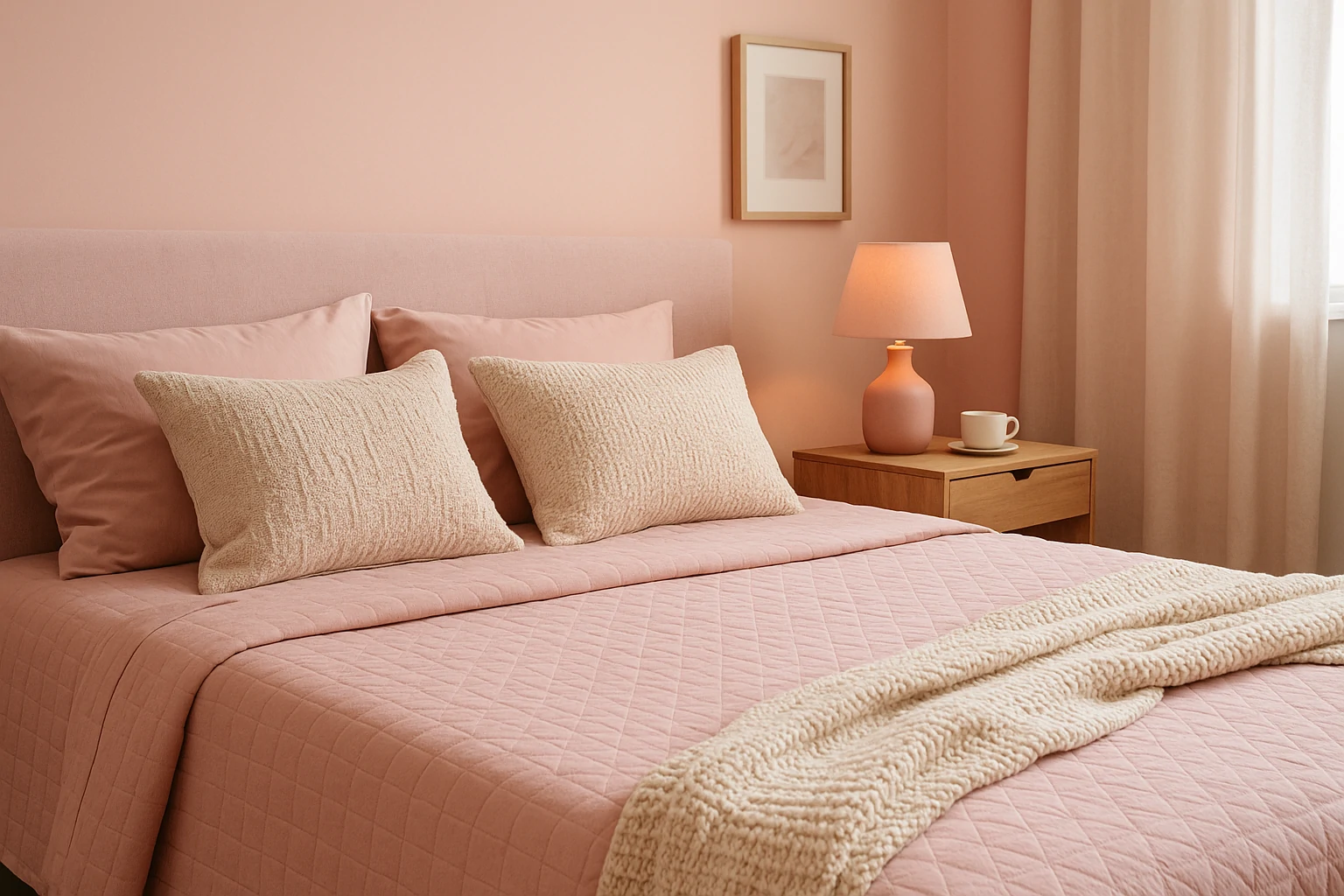
Pink affects how a space feels. Color experts say soft pink lowers stress and brings calm. It works well in quiet areas like bedrooms, reading nooks, or lounges. These tones help relax the mind and soften the room’s mood.
Bright pink does the opposite. It sparks energy and draws attention. That makes it better for spaces where activity happens, such as home gyms, creative studios, or offices. It keeps the mood upbeat without feeling too loud if used in small amounts.
Pink also adds comfort. It brings a warm glow to cold rooms and lifts dark spaces. In winter, it creates a cozy feeling. In summer, it reflects light and brightens the mood. Used the right way, pink supports emotional balance all year.
Should You Use Pink in a Rental?
Pink works well in rentals when you use décor that does not leave marks. Try pink curtains, rugs, or wall art to add color without touching the walls. These items shift the mood fast and come down just as easily when you move out. They give you style without stress.
Peel‑and‑stick wallpaper is another safe choice. It adds a bold look and comes off clean when you no longer need it. Pink cushions, baskets, and storage boxes also help add charm. These pieces keep the space bright and warm without causing damage.
Ask your landlord before you paint or install anything permanent. A rental needs reversible ideas that stay within the rules. Smart, removable pink accents give you freedom, comfort, and a fresh look with no risk.
Can You Use Pink Decor in Small Spaces?
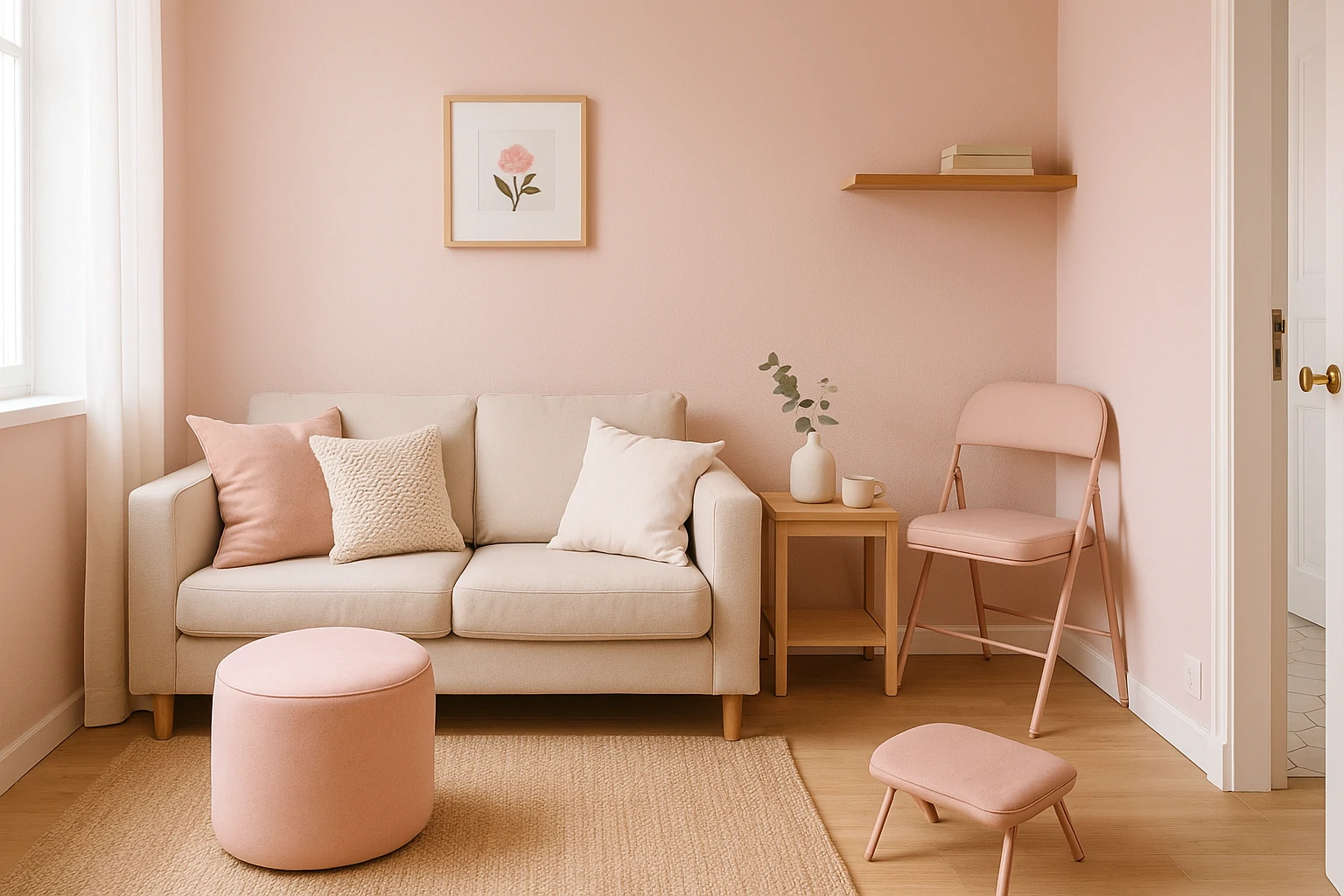
Yes. Pink works well in small homes, apartments, or single rooms. Soft tones open up a space. They reflect light and help the room feel larger.
Try blush walls in a tight hallway or soft pink tiles in a compact bath. These details brighten the space without making it feel crowded. Keep decor simple. One or two pink items are enough.
Small spaces benefit most from flexible pieces. A pink ottoman with storage or a foldable pink chair adds use and style. Smart choices make the space feel clean, not cluttered.
If you’re looking to balance pink with bolder design, check out these Man Cave Decor Ideas That Turn Any Room Into Your Personal Hideout for inspiration.
Does Pink Decor Work for Men?
Pink works well in male-focused design. It no longer stands as a color just for women. Shades like blush, rose, and coral blend easily with strong materials. When paired with leather, metal, or dark wood, pink adds edge and style, not softness.
Dark tones like navy or forest green match pink perfectly. Rose with grey also builds a solid, modern look. These combinations help keep the space bold without losing balance. They look mature and well planned.
In rooms with dark colors or sharp lines, pink brings warmth. It softens harsh edges without making the space feel weak. Just a few pink accents can make a big impact. They show taste, not trend-chasing.
Is Pink Decor Child-Friendly?
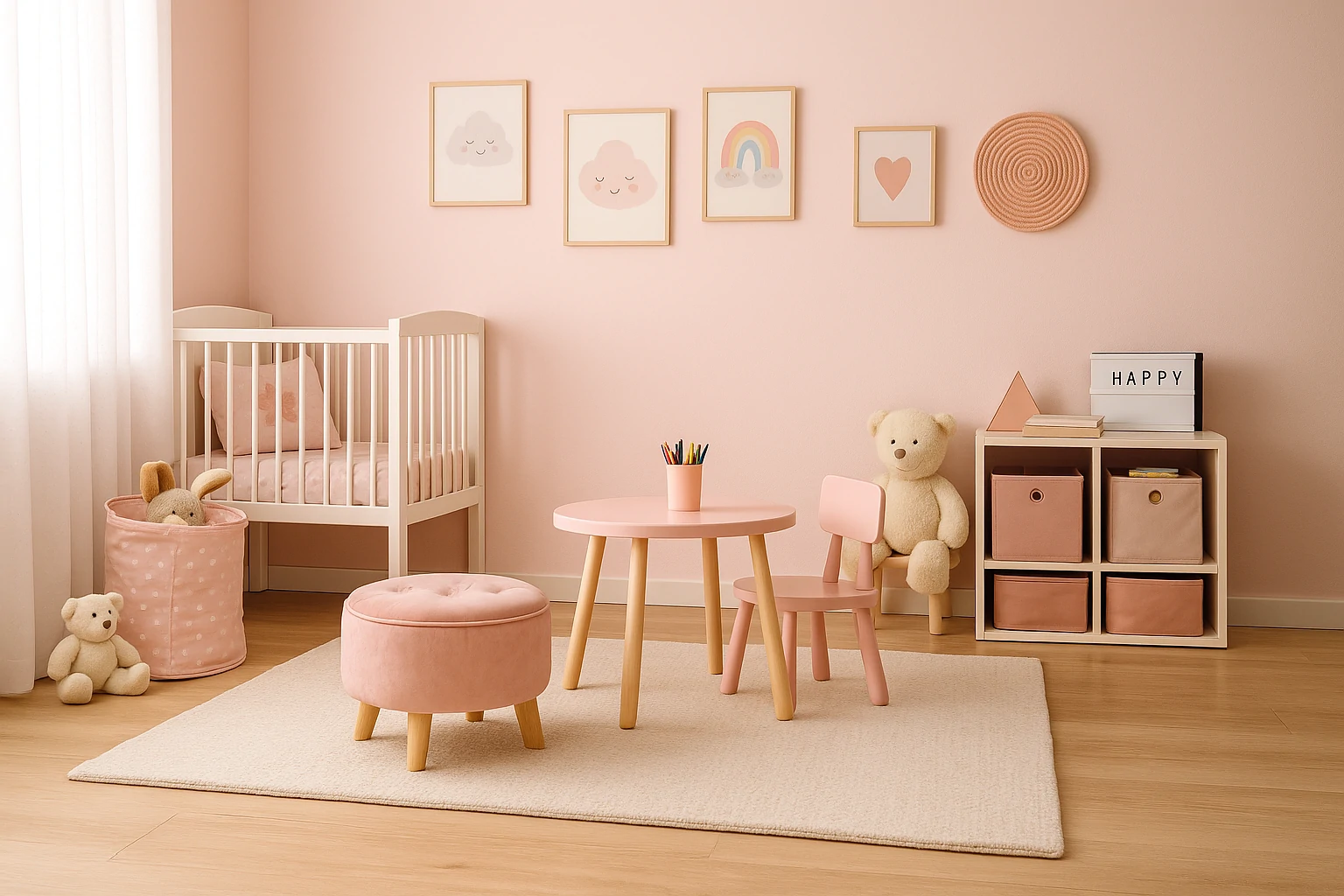
Many families use pink in kids’ rooms, but it can work in shared spaces too. Light pinks bring calm. Bright pinks bring fun. This makes pink ideal for playrooms, bedrooms, or craft corners.
Use washable pink paint or soft fabric bins. Choose rugs that clean easily. These help you enjoy the look without worry. If you share the space with children, pink offers color without chaos.
Add pink wall decals or bedding to change a room fast. These swaps make the home feel fresh and playful, and they fit a wide age range.
What Are Some Common Mistakes with Pink Decor?
| Mistake | Why It Matters |
|---|---|
| Using only one tone of pink across the whole space | Makes the room feel flat or dull. Needs variation to feel alive. |
| Forgetting to add texture or break up pink blocks | Creates a bland or boxy look. Texture adds depth and interest. |
| Picking pink that clashes with lighting | Wrong light can make pink look harsh or too orange. |
| Not testing small before making big changes | Can lead to regret. Sample first saves time and money. |
| Ignoring the room’s function | Bright pink in a calm space may feel wrong. Use tones wisely. |
| Skipping a full view check | Always step back. A second look helps you spot design issues. |
Quick Note on Safety and Materials
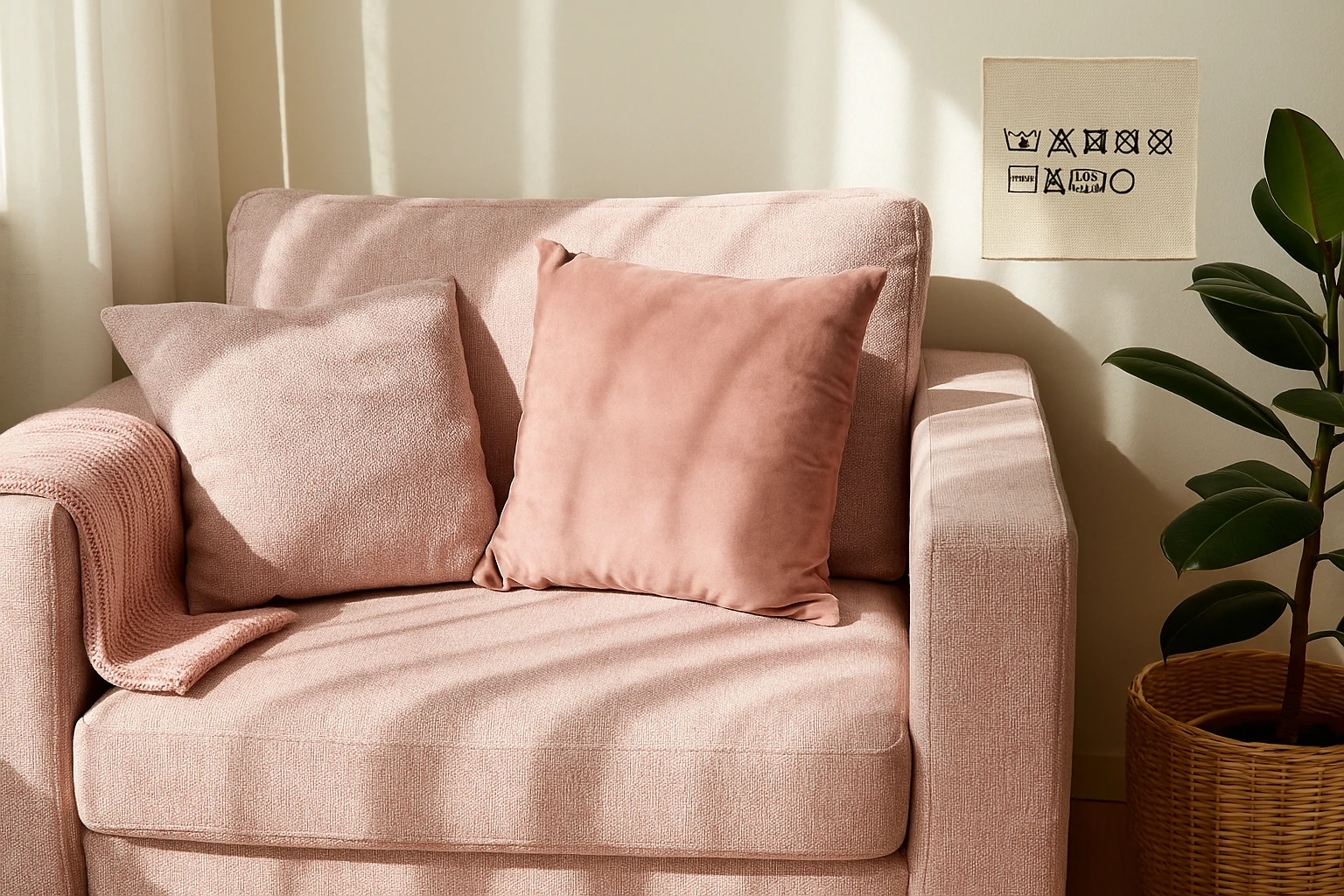
Some pink paints or fabrics may fade in direct sunlight. Others may stain or wear down with heavy use. Always check the material before buying.
Use UV-safe fabric in sunrooms or near windows. Pick pink that holds color over time. Choose items that clean easily if used in high-traffic spots. These small steps keep your space safe and stylish.
Also, if you buy pink furniture or pillows, read the care tag. Not all materials work well with water or strong cleaners. Simple care tips help pink stay beautiful longer.
Final Thoughts
Pink decor can feel bold, soft, sweet, or smart. The key is balance. Start small. Test tones. Mix textures. Keep it personal.
Home should reflect who you are. If pink lifts your mood or adds charm, use it. You do not need to follow the full trend. A pink pillow or frame may be enough.
Stay smart with placement and purpose. That way, the pink trend becomes not just safe-but stunning.
To bring even more texture into your space, consider adding Wood Wall Art Decor: A Natural Touch That Transforms Walls as a warm, organic accent