
Barndominiums offer more than just style. These homes blend open space, steel strength, and modern comfort. They suit people who want room to grow, work, and live without the cost of traditional houses. In many states, barndominiums now rank among the top rural housing picks.
Many buyers search for a barndominium for sale without knowing what truly matters. Some deals look cheap but hide big repair costs. Others break zoning laws or need major upgrades. A few sellers skip key details that can lead to legal trouble after purchase. You must look deeper than the photo or price tag.
This 2025 guide helps you stay ahead. It covers real prices, land rules, floor plans, and financing. It also shows where buyers lose money and how to avoid risky listings. Each section uses short, clear sentences with no confusing jargon.
If you want a home that feels open, strong, and flexible, a barndominium may be your best move. This guide gives you the facts so you can buy with full confidence.
What Is a Barndominium?
A barndominium is a home built with a steel or wood frame. It often looks like a barn or shed from the outside. Inside, it feels like a normal house. Many have wide rooms, open layouts, and modern kitchens.
Some include garages, workshops, or space for hobbies. Others sit on large plots of land. Most offer strength, space, and simple style. You can use them as full homes or part-time getaways.
People choose barndominiums because they cost less per square foot. They also last longer. Steel frames resist fire, pests, and weather. These homes give you room to live without the high cost of custom builds.
Where Can You Find a Barndominium for Sale?
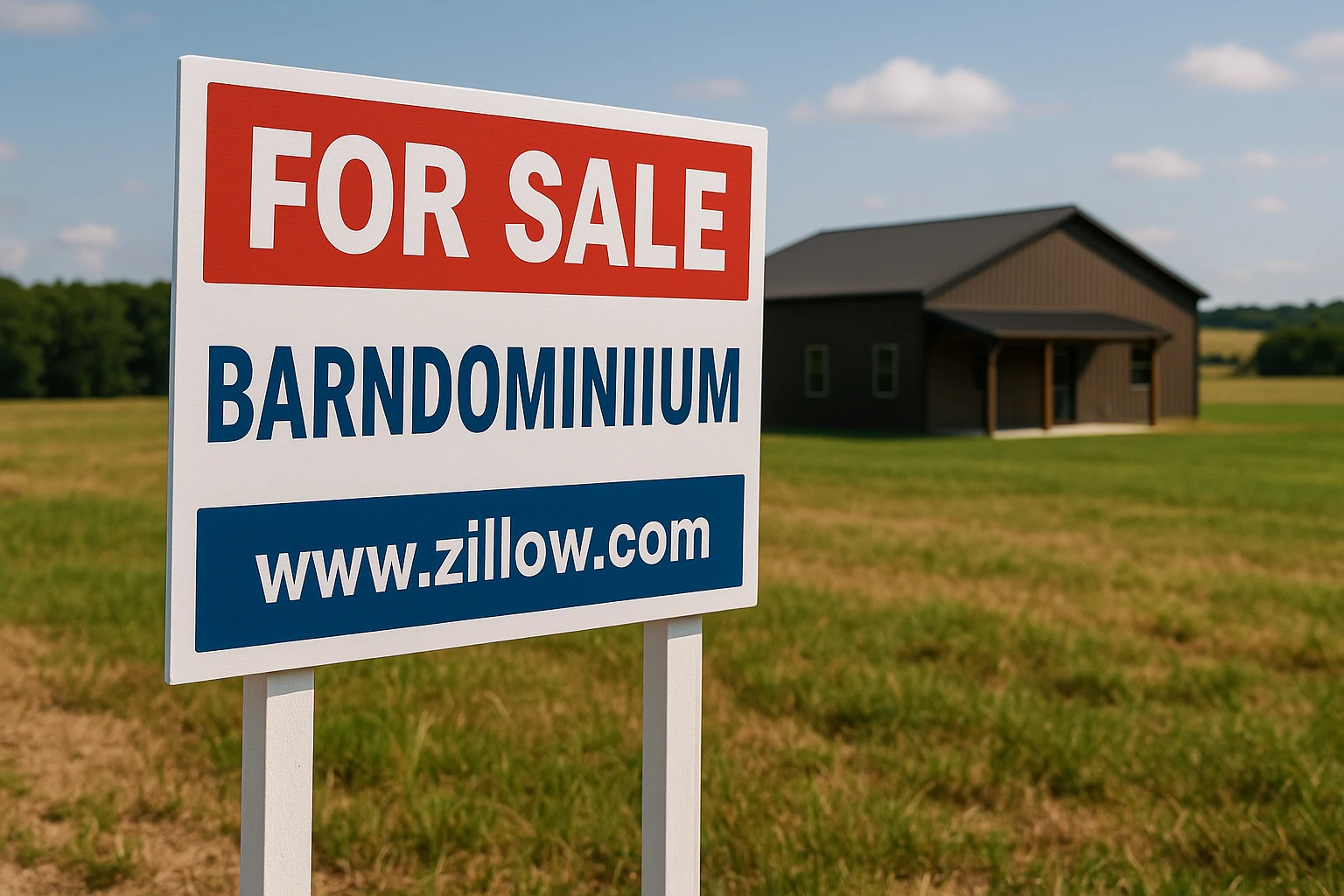
Look on rural property websites. Use search terms like “barndominium,” “metal home,” or “barn-style house.” Sites like Zillow, Realtor, and LandWatch list these homes in many states.
Check Facebook Marketplace or Craigslist. Some sellers list privately. Others use local agents. Builders may also have move-in ready homes or shell structures on land they own.
Drive through rural areas. Builders often post signs on lots. You can also ask local agents if they know about hidden deals. Some homes never reach public sites.
Always check zoning laws before you buy. Some areas ban or restrict metal homes. A home that looks perfect may not meet local rules.
Types of Barndominiums You Might See
Barndominiums come in four main types. Each fits a different buyer’s need, budget, and timeline.
Shell Only
These homes come with just the metal frame, roof, and outside walls. You must build everything inside. That includes plumbing, wiring, HVAC, walls, flooring, and insulation. This type works best if you want full control and lower upfront cost.
Partially Finished
These homes include some basic work-such as rough plumbing, spray foam insulation, or basic wiring. But most key parts still need your attention. You must add kitchens, bathrooms, HVAC, interior walls, and paint.
Fully Finished
These barndominiums are move-in ready. They include working plumbing, electric systems, lights, floors, appliances, and fresh interiors. They cost more upfront but save time and stress. Great for buyers who want a fast start with no building hassle.
Converted Barns
These are old barns redesigned as homes. They bring rustic charm and open layouts. Many need updates like better insulation, new plumbing, or permits. Still, they offer a rare mix of history and style you won’t find in standard homes.
Floor Plans That Work Best in a Barndominium
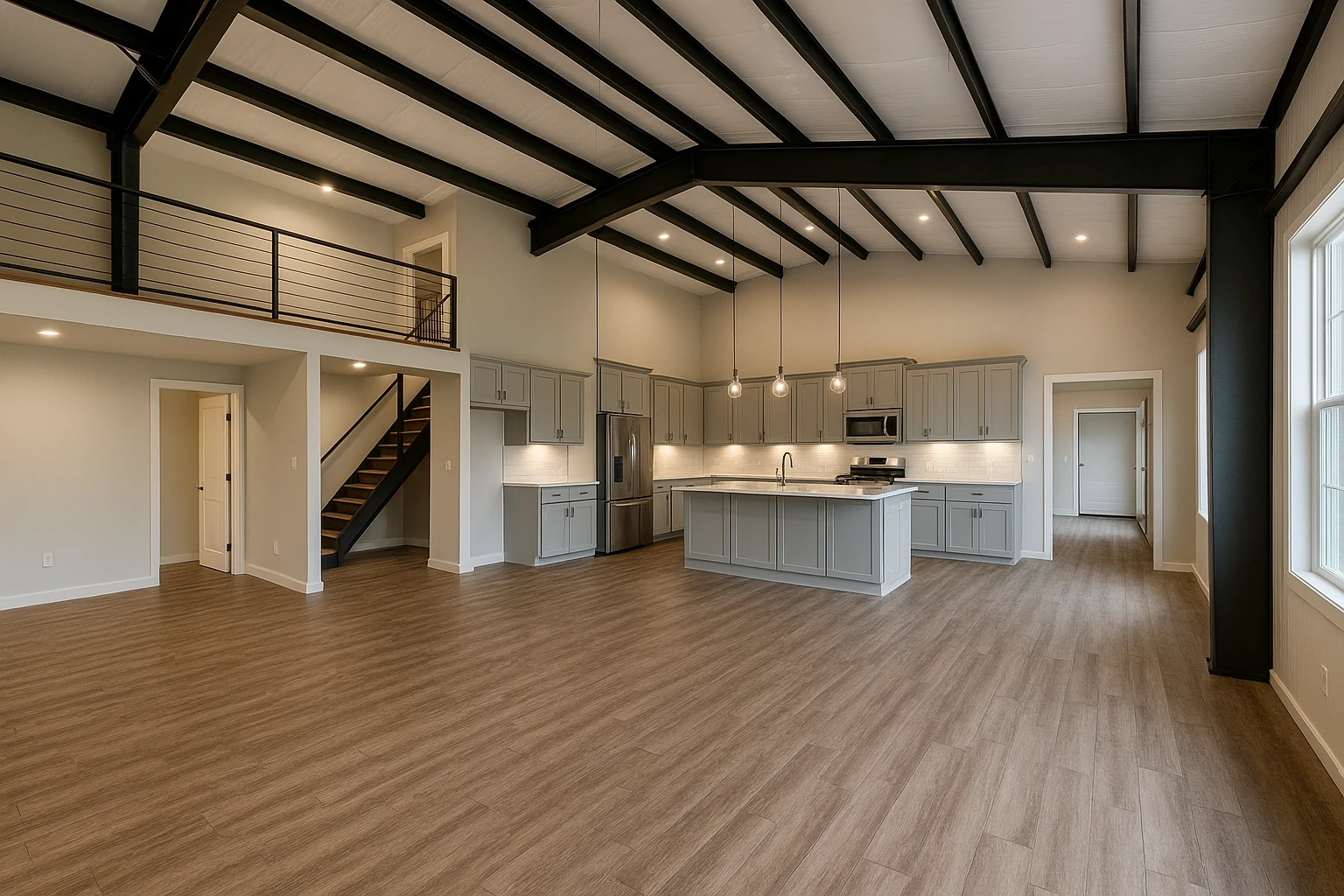
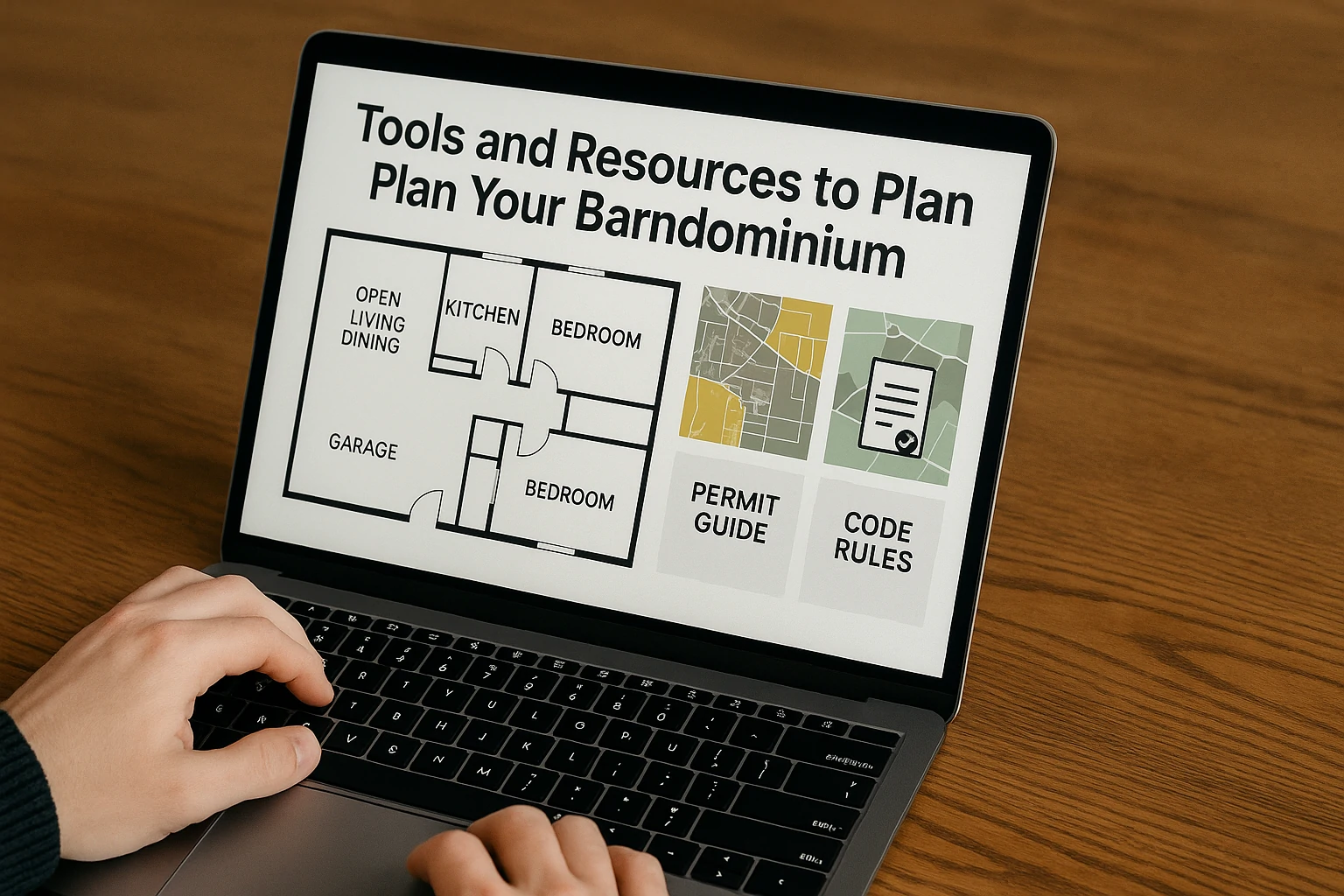
Barndominiums work best with open layouts. A wide main area keeps the home bright and easy to use. Rooms flow better and feel larger. Bedrooms placed on the edges of the layout stay quiet and private.
This setup keeps daily life simple and gives each space a clear purpose.
A loft or bonus room adds space without a bigger footprint. It can serve as an office, guest room, or play area. Many owners also add a garage, workshop, or studio to match work or hobby needs.
These features raise comfort and create long-term value. A smart floor plan makes the home flexible and ready for change.
If you like traditional charm, you might also enjoy our Tudor House Style guide. It covers classic design features that can inspire your barndominium interior.
Barndominium Prices in 2025
Prices depend on size, location, and finish level. Here are current price ranges:
- Shell only: $40 to $75 per square foot
- Basic finish: $100 to $160 per square foot
- High-end finish: $180 to $240+ per square foot
These prices do not include land. Add extra costs like:
- Land cost ($5,000 to $30,000+ per acre)
- Site prep (leveling, clearing)
- Septic or well
- Utility hookups
- Driveways and permits
These extras can raise your total by $20,000 to $100,000 or more.
Hidden Costs Most Buyers Miss
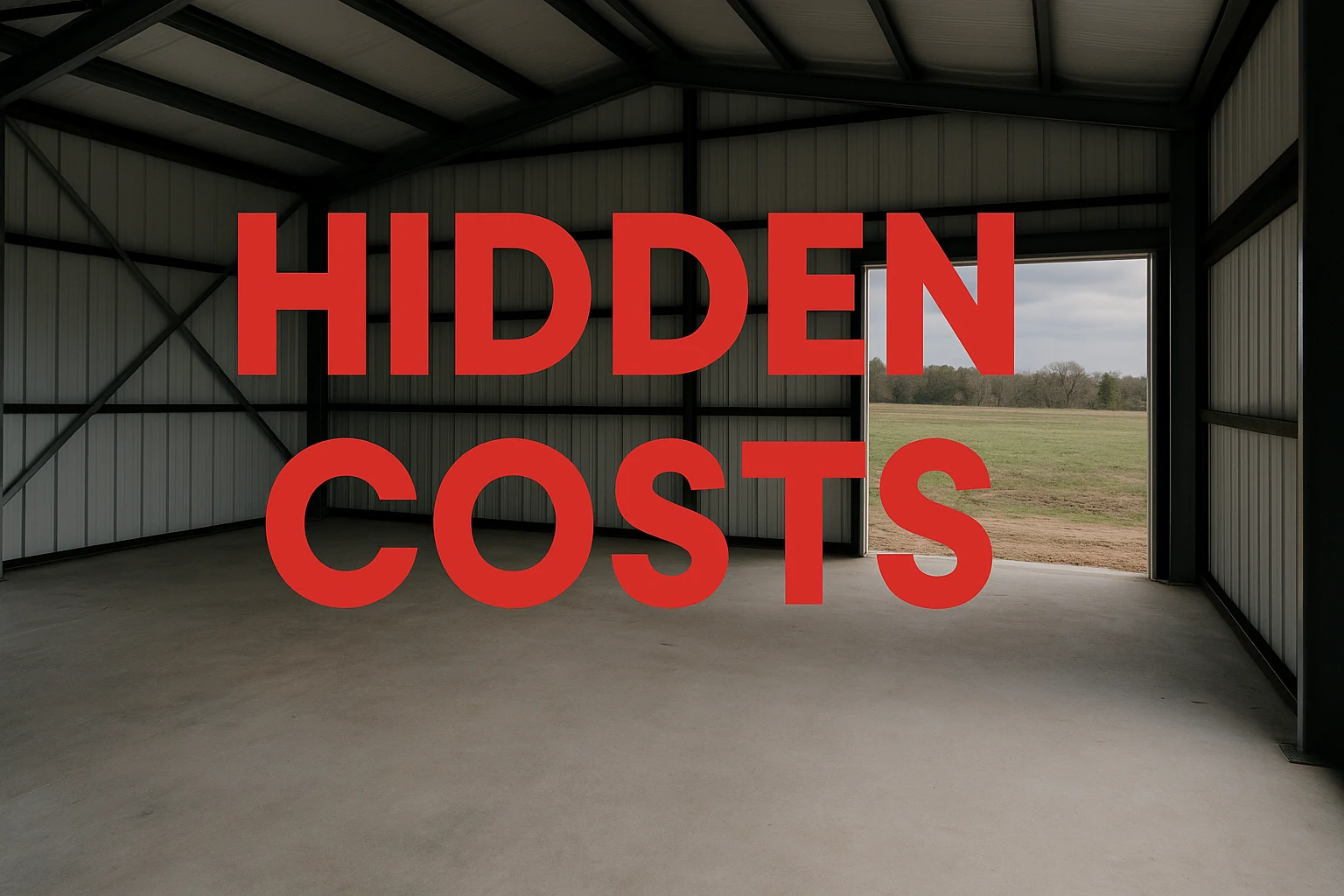
Some listings show a low price to catch attention. But many of them leave out key details that raise your final cost. A home may not have finished floors, plumbing, or working electricity. Some listings only offer the building shell and skip land completely. Others come with no city water, gas, or power access.
You might face high interest rates or loan limits if the home does not meet lender rules. Insurance can also be harder to get on metal-frame homes.
Ask the seller to list every included item. Ask what parts are done and what still needs work. Check if the price covers land, utilities, and permits. Never guess what’s included.
Never rely on a short listing or fast photos. A cheap price may turn into a long and costly project if you do not ask the right questions upfront.
What to Know About Land Before You Buy a Barndominium
Zoning laws control what you can build and where. Some counties do not allow metal-frame homes. Others need your design to meet special building codes. Always check if the land allows residential use or if it falls under agriculture or commercial limits.
Ask the county office for a zoning map. One call could save you thousands in legal trouble or project delays.
The land must also support your daily needs. If there’s no access to water, sewer, or electric lines, you’ll face extra costs. You may need to drill a well, install a septic tank, or add solar power.
Soil quality matters too. Soft or loose ground may not hold your slab. Flat land near flood zones often causes future damage. Always get a soil test before you buy. A raised and stable site works best for long-term value.
Important Features to Check in a Listing
A clean listing photo does not always show the full truth. Before you decide, check the home’s structure and setup in person. Look at the foundation first-concrete slabs hold up better than wood frames. A metal roof with standing seams helps block leaks and lasts longer.
Steel frames resist pests and damage more than wood. Spray foam insulation gives better heat control and keeps energy costs low.
Also check how the land slopes. Water should flow away from the home, not gather near it. Ask for all permits and inspection records. Compare them with the current layout. If the paperwork does not match or is missing, that’s a red flag.
A home without records could cost more later or fail local codes. Never trust a listing alone-always check in person.
Build vs Buy: Which Path Works Better?
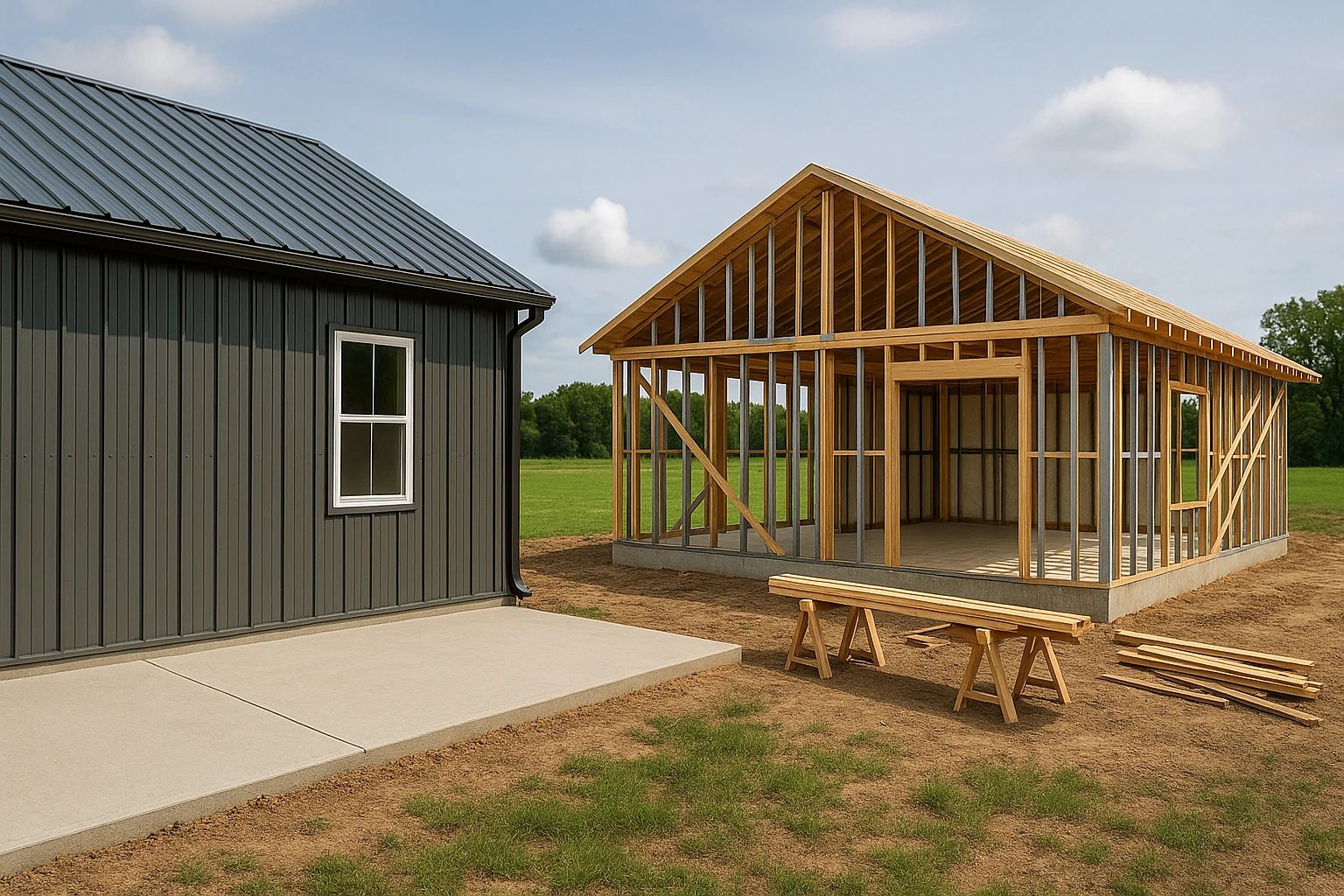
Buying a barndominium saves time. You see the finished product, know the cost, and move in fast. This option works best if you find a home with the layout and features you need.
But some buyers feel stuck with choices they did not make, like room size, colors, or design style.
Building gives you full control. You choose every part, from the floor plan to the finishes. The home fits your life, not someone else’s. Still, the process takes longer. Delays with weather, supplies, or labor can raise your budget.
Pick the path that matches your timeline, your taste, and your risk level.
Inspection Guide for Buyers
A proper inspection can save you from major costs. Always choose an inspector who knows how barndominiums work. They must check the metal frame, slab foundation, and rural features.
Basic checks miss key problems. Small cracks, roof leaks, or loose seals often hide larger risks.
Look at the roof for rust or weak spots. Check the slab for deep cracks. Test every outlet and water line. Open and close all windows and doors. Watch how rain drains around the house.
Ask for original building plans and all past permits. If anything looks off, do not ignore it. Walk away if the home fails the test.
How to Negotiate a Barndominium Deal Safely

Before you agree to buy, get a clear list of what the sale includes. Make sure it covers everything-appliances, permits, HVAC, insulation, and land. Some sellers skip details. If the list feels vague or incomplete, walk away. It may hide costly surprises.
Work with a local real estate agent who knows barndominiums. They understand zoning laws, title rules, and land access. They will check documents and guide you through safe steps. Also, put all terms in writing. This includes deadlines for inspections, title checks, and final closing. Avoid handshake deals. Clear terms protect you.
Some buyers turn their barndominiums into rentals for college students or seasonal guests. If you’re near a university, you could explore shared living setups. Our sorority housing safety guide offers insight into how student living arrangements are evaluated and kept safe.
Financing Tips for 2025 Buyers
Getting a loan for a barndominium may take extra effort. Some banks still avoid these homes or ask for high down payments. Local lenders or credit unions often work better. You can also try rural development loans or construction-to-permanent options.
Always bring clear plans and full cost estimates to improve your chances.
Keep some cash ready for costs your loan may not cover. These include permits, site work, or builder deposits. Some buyers use land as their down payment. Others refinance after the home is done.
Look at all your options before you choose. A smart loan plan can protect you from delays or cost jumps later.
Insurance, Codes, and Legal Items

Insurance for barndominiums can bring extra steps. Some providers may charge higher rates or ask for photos, plans, or build details. A few may not offer coverage at all.
Always tell your agent the home is a barndominium. Hidden details can lead to claim problems later.
You also need to check key legal rules. Look into building codes, zoning laws, and any HOA restrictions. Rural land may include easements, shared roads, or access limits. Fire and flood zones can change your insurance cost and approval.
These issues may delay your deal or block the build. Always review records and make sure all permits match the home before you close.
Smart Upgrades That Add Real Value
Barndominiums offer a solid start, but the real value often comes later. Many owners begin with simple layouts, then make changes that suit daily needs. A wide front porch can give shade and a better look. A second floor or loft makes space without taking more land. A larger kitchen with better storage turns a basic home into a more livable one.
Some upgrades focus on comfort and security. Good windows, smart locks, and modern lights help lower bills and keep the home safe. Built-in shelves, tool zones, or small office spaces bring better use of open areas. You can take each step slowly. Choose what fits your needs now and what helps long-term value. Small changes can give big results over time.
Pros and Cons of Barndominium Life
| Pros | Cons |
|---|---|
| Big space, low price | Not legal in every area |
| Strong frames, low upkeep | Harder to finance |
| Custom floor plans | May need off-grid setup |
| Good for hobbies or home work | Cold in winter without spray foam |
| Stylish look | Resale may be harder in cities |
Conclusion
A barndominium gives you space, style, and value. It costs less than many homes and lasts longer. But not every deal is smart. Many listings hide extra costs, weak builds, or legal risks.
Use this guide to stay ready. Ask hard questions. Read every document. Check every rule. A smart buyer finds more than a good deal. They find peace of mind.
In 2025, a barndominium for sale may be your best move. Just stay sharp and plan ahead. That way, your home will not just look right. It will feel right too.
Want to compare it with a more traditional setup? Check out our full guide on detached family homes to see how space, privacy, and cost differ.